
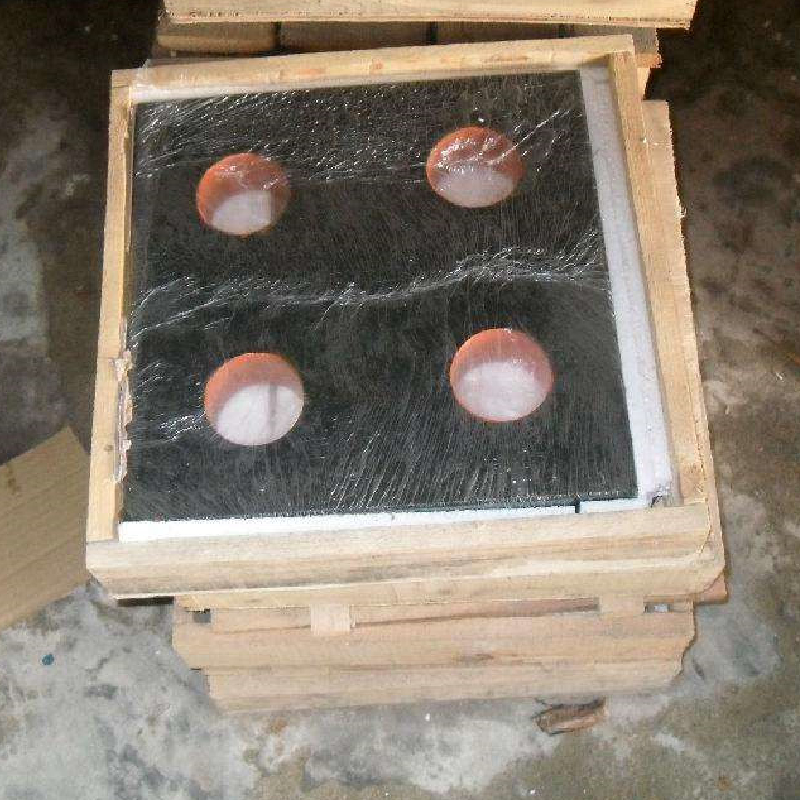
frosted glass price
The Precision Engineer's Spirit Level An Indispensable Tool for Accuracy In the realm of engineering, precision is not merely a goal; it's a necessity. The accuracy of any engineering project hinges significantly on the tools employed, and among them, the spirit level holds a critical place. As a quintessential instrument for measuring horizontal and vertical alignments, the spirit level or bubble level epitomizes the blend of simplicity and sophistication in engineering tool design. A spirit level essentially consists of a sealed glass tube, partially filled with liquid, and contains an air bubble. When the level is placed on a surface, the bubble seeks the highest point of the liquid, which is centrally positioned. This unique feature allows the user to ascertain whether a surface is perfectly level or plumb. Precision engineers understand that minor discrepancies in level can cascade into major misalignments affecting structural integrity, functionality, and safety. Thus, employing a high-quality spirit level is essential in achieving meticulous standards. The Precision Engineer's Spirit Level An Indispensable Tool for Accuracy In the workshop or job site, precision engineers utilize a variety of spirit levels tailored to specific tasks. Traditional spirit levels, typically 24 inches long, are ubiquitous, yet varying lengths and sizes ensure accessibility in all situations. For intricate projects, a torpedo level—shorter and often featuring magnetic strips—can offer convenience in tight spaces. Furthermore, digital spirit levels now combine traditional principles with electronic sensors, providing readings on a digital display for enhanced user experience and accuracy. precision engineers spirit level In engineering applications, the importance of achieving a level surface cannot be overstated. For instance, in construction, foundations must be laid perfectly level to prevent structural damage over time. The application of the spirit level extends beyond construction; in precision engineering fields such as machining, automotive design, and even aerospace engineering, components must be accurately aligned to ensure functionality. A misaligned part, however minuscule, can lead to failures in complex systems, highlighting the indispensable role of the spirit level. Moreover, the spirit level serves an educational purpose as well, teaching fundamental principles of physics and geometry. It illustrates how gravity plays a pivotal role in determining the balance of objects, which is a critical concept in many engineering disciplines. The incorporation of spirit levels in educational setups prepares aspiring engineers for real-world applications, instilling in them an appreciation for accuracy and precision. However, while spirit levels are integral for horizontal and vertical alignment, engineers must also consider the potential for human error. The effectiveness of a spirit level relies heavily on the user’s ability to interpret the readings correctly and understand the tool's limitations. Therefore, it is advisable for engineers to complement the use of spirit levels with other measurement tools, thereby minimizing the risk of inaccuracies caused by environmental factors or equipment malfunction. In conclusion, the spirit level is more than just a measuring tool; it is a symbol of the pursuit of precision in engineering. Its simplicity belies the critical role it plays in the success of projects across various domains. As technology advances and new measuring tools are developed, the spirit level will likely remain a stalwart instrument in the precision engineer's toolkit, a testament to enduring design that meets the timeless demand for accuracy and excellence in engineering. Whether in rigorous construction sites or specialized workshops, the spirit level epitomizes the essence of what it means to be precise.
about
frosted glass price
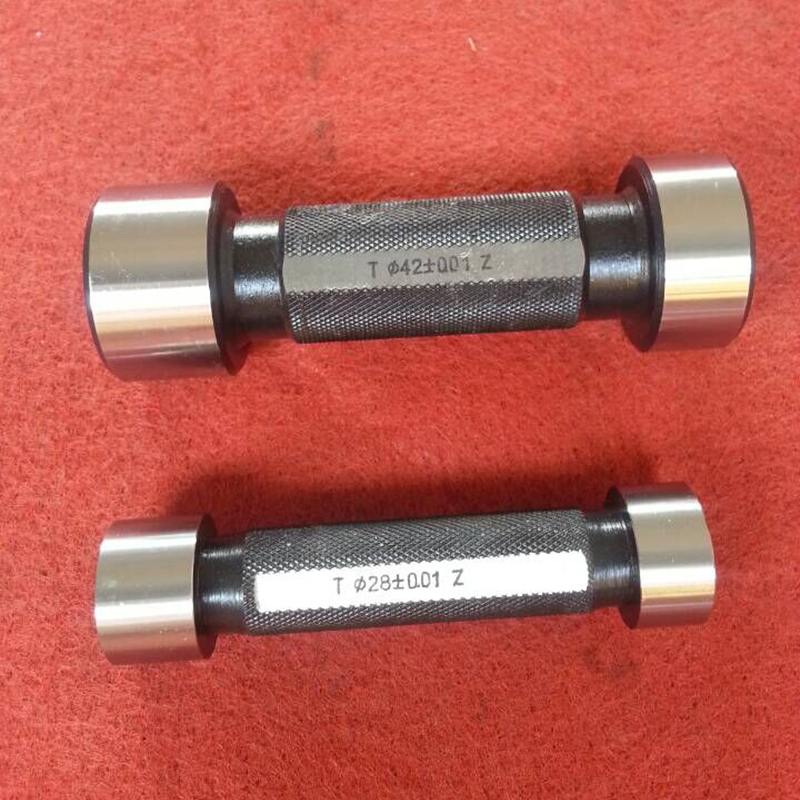
Understanding Thread Plug Gauges According to JIS Standards Thread plug gauges are essential tools in manufacturing and quality control, especially when it comes to gauging the internal dimensions of threaded holes. In Japan, the Japan Industrial Standards (JIS) set forth specifications that govern the design, use, and verification of these gauges. Understanding the JIS standards for thread plug gauges is crucial for engineers, quality control inspectors, and manufacturers alike, ensuring precision in threaded components. What are Thread Plug Gauges? Thread plug gauges are precision instruments used to check the correctness of the thread profile and size in a tapped hole. They come in two varieties go gauges and no-go gauges. The go gauge is designed to fit into the threaded hole, confirming that the hole is not undersized. Conversely, the no-go gauge ensures that the hole is not oversized. By using both gauges, one can ascertain whether the threaded hole meets the required specifications. Importance of JIS Standards The JIS standards on thread plug gauges serve multiple purposes 1. Uniformity Standards ensure that gauges produced by various manufacturers are consistent in terms of size, shape, and tolerance. This uniformity is essential for ensuring compatibility among various components produced by different companies. 2. Quality Assurance The implementation of JIS standards helps in maintaining high quality in manufacturing processes. It reduces defects and enhances the reliability of threaded components, which is critical in industries such as automotive and aerospace. 3. Global Acceptance JIS standards are recognized internationally, providing a common ground for manufacturers and inspectors, especially in global supply chains. Adhering to these standards can facilitate international trade and collaboration. Specifications of JIS Thread Plug Gauges JIS thread plug gauges are defined under various categories, each corresponding to a specific thread type and size. The primary specifications include 1. Thread Profile JIS defines various thread profiles including metric threads, unified threads, and others . Each profile has its unique dimensions and tolerances that must be adhered to. thread plug gauge jis standard 2. Material The gauges are typically made from high-quality tool steel or carbide to withstand wear and tear over time, ensuring long-lasting accuracy. 3. Tolerances JIS specifies acceptable tolerances for both the go and no-go gauges. These tolerances are critical in determining whether a threaded hole is within the acceptable range for functional and safety requirements. 4. Marking and Identification JIS standards emphasize proper marking on the gauges to indicate the thread type and size, along with tolerance levels. This ensures that users can easily identify the appropriate gauge for a specific application. 5. Calibration Regular calibration of thread plug gauges against master gauges is mandated by JIS to ensure ongoing accuracy over time. This is particularly critical in high-precision industries. Application of Thread Plug Gauges In practical applications, thread plug gauges are used extensively in various fields, including - Automotive Manufacturing Ensuring that engine components fit together accurately through precise threaded connections. - Aerospace Meeting stringent safety and reliability requirements necessitates high accuracy in threaded connections on aircraft parts. - General Engineering Used in any assembly line where threaded components are involved, ensuring that products meet specifications before they are passed on to the next phase of production. Conclusion In conclusion, the significance of thread plug gauges and their adherence to JIS standards cannot be overstated. These gauges not only ensure the integrity and functionality of threaded components but also facilitate uniformity and quality assurance across the manufacturing sector. Understanding and adhering to these standards is essential for manufacturers and quality control inspectors to maintain competitiveness and reliability in their products. As industries continue to evolve, the role of precision tools like thread plug gauges will undoubtedly remain pivotal in ensuring operational excellence and safety.
-

High quality industrial productsagement

High quality industrial products
View Details -

Meet the diverse needs of customers

Meet the diverse needs of customers
View Details -

Strict quality control

Strict quality control
View Details -

Top raw materials

Top raw materials
View Details -

Trusted supplier

Trusted supplier
View Details
Our application


news and information
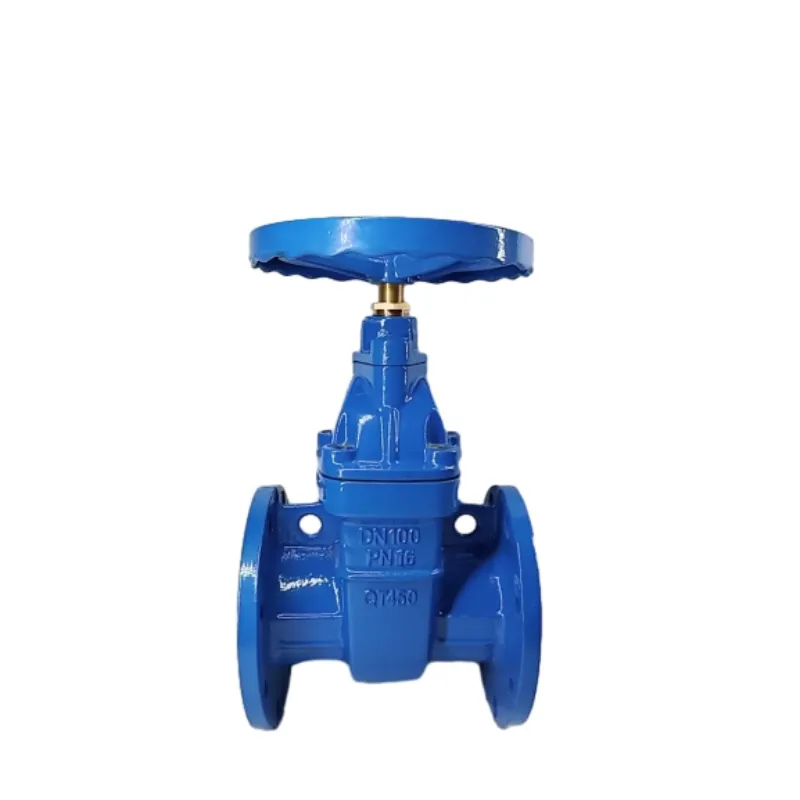
What Are the Different Types of Gate Valves_
When diving into the world of industrial flow control, understanding the various types of gate valve
Various Types of Water Check Valves and Their Applications
Types of Check Valves for Water Check valves play a crucial role in fluid control systems, particula
Vérificateur anti-retour pour prévenir les refoulements dans les systèmes de canalisation
La Soupape Anti-retour Une Protection Essentielle dans les Systèmes Hydraulique La soupape anti-ret
 English